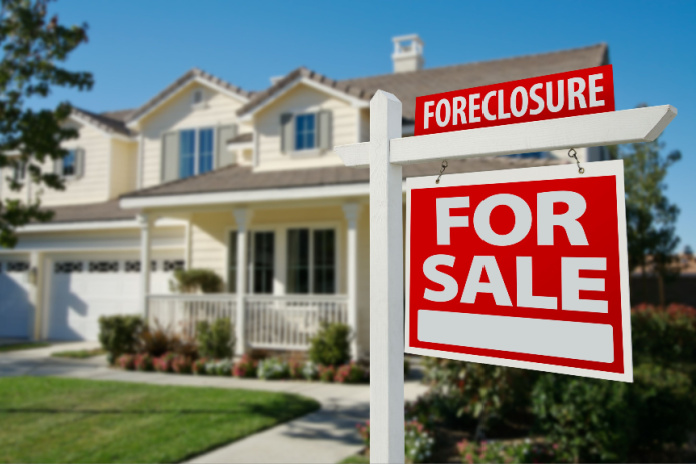

Foreclosures are quietly rising across the U.S. after years of near-record lows — and the shift could reshape housing markets in 2026. Higher rates, stretched budgets, and fading pandemic protections are colliding, putting millions of homeowners at risk.
For much of the past three years, the word foreclosure seemed almost outdated — a painful relic of the 2008 housing crash that policymakers promised would never happen again. Low interest rates, stimulus checks, and foreclosure moratoriums kept homeowners afloat even as inflation surged and the economy lurched from crisis to crisis.
That era is ending.
Across the country, foreclosure filings are rising. Not exploding — yet — but climbing steadily enough to worry lenders, housing advocates, and local governments. Homeowners who locked in low rates years ago are suddenly facing higher taxes, higher insurance costs, and shrinking financial cushions. For those who bought near the peak of the market, even a small setback can now push them toward default.
This isn’t a repeat of 2008. But it is the start of something new — and potentially dangerous.
What’s Actually Happening
Recent data from housing analytics firms and court records shows foreclosure activity increasing in dozens of metro areas, particularly in parts of the Sun Belt and Midwest. States like Texas, Florida, Ohio, and Indiana are seeing some of the sharpest year-over-year jumps, even as national numbers remain below historical averages.
The drivers are no mystery.
Mortgage rates remain near multi-decade highs after the Federal Reserve’s aggressive inflation-fighting campaign. While most homeowners still hold fixed-rate loans below 4%, that protection only goes so far. Property taxes have surged alongside home values. Insurance premiums — especially in disaster-prone states — are skyrocketing. And household savings, once bloated by stimulus, are thinning fast.
At the same time, pandemic-era foreclosure protections are long gone. Miss enough payments now, and the process moves quickly. Lenders, facing their own pressures from higher borrowing costs and tighter credit conditions, are far less willing to offer leniency.
In short: the safety nets are gone — and the margin for error has vanished.
Who Gets Hit, and Why It Matters
Foreclosures rarely begin with reckless borrowing. More often, they start with disruption.
A job loss. A medical bill. A divorce. A variable expense that spikes unexpectedly.
For homeowners already stretched by inflation, even a temporary income shock can become catastrophic. Groceries, utilities, childcare, and car insurance all cost more than they did just two years ago. Mortgage payments may be fixed — but the rest of life isn’t.
First-time buyers are especially vulnerable. Many purchased homes in 2021 or 2022 at elevated prices, draining savings for down payments and closing costs. While their interest rates may be low, they have little financial buffer left. If they fall behind, selling isn’t always an escape — price growth has slowed, and in some markets, values are slipping.
Investors are watching closely.
Foreclosures increase housing supply, often at discounted prices. That can cool overheated markets, but it can also pressure neighborhood values and strain local tax bases. Cities already grappling with affordability shortages worry that distressed sales could destabilize fragile communities.
Renters aren’t immune either. When landlords face foreclosure, tenants can be displaced with little notice, pushing more people into an already tight rental market. The ripple effects travel quickly — from homeowners to renters to municipalities.
And unlike the last crisis, today’s borrowers are older, more diverse, and often supporting extended families. The social impact of widespread foreclosure could cut deeper and spread faster.
Is This the Start of a Crisis?
Most economists stop short of predicting a housing collapse. Lending standards over the past decade have been far stricter than those leading up to 2008. Subprime mortgages are not flooding the system. Adjustable-rate loans are far less common.
But that doesn’t mean the risk is trivial.
The longer interest rates stay high, the more financial pressure builds beneath the surface. Wage growth has slowed. Consumer debt — especially credit cards — is at record levels. Delinquencies are rising not just on mortgages, but across auto loans and personal credit.
If unemployment ticks higher, foreclosure activity could accelerate quickly.
Some experts believe the Fed’s next moves will be decisive. Rate cuts could ease pressure on borrowers and stabilize housing sentiment. But if inflation remains stubborn, policymakers may have little room to maneuver.
In the meantime, lenders are bracing for a slow grind — not a sudden crash, but a steady increase in distressed properties over the next 12 to 24 months. The danger isn’t panic. It’s normalization.
Once foreclosures stop being rare again, the psychology of the housing market changes.
What Homeowners Should Watch Next
Foreclosure doesn’t arrive overnight. It creeps in quietly, masked by optimism and delayed consequences.
Homeowners should pay close attention to rising property taxes, insurance renewals, and household cash flow — not just mortgage rates. Early action matters. Loan modifications, payment plans, and hardship programs are far more effective before accounts fall seriously delinquent.
For policymakers, the warning signs are clear. The housing market may not be breaking — but it’s bending. Ignoring the early stress could make the eventual reckoning far more painful.
The foreclosure wave hasn’t crashed yet. But the tide is rising — and time is no longer on the homeowner’s side.