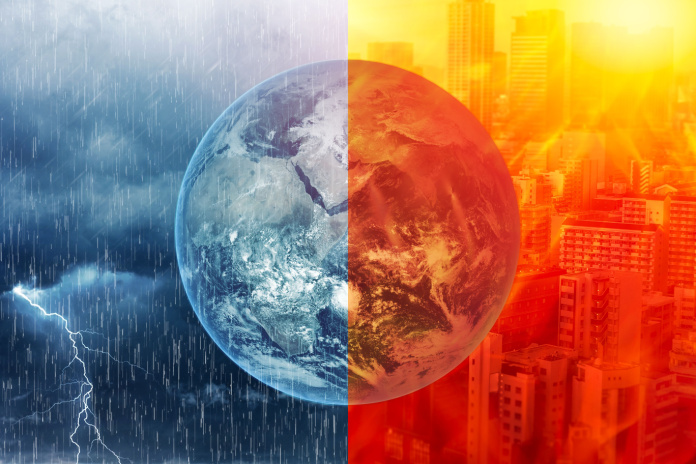

This summer’s record-breaking heat waves, flash floods, and back-to-back storms didn’t just strain people — they slammed the U.S. power grid harder than at any point in the last decade. Millions experienced outages, rolling blackouts, and days of blistering temperatures without air conditioning. But the most alarming insight came from grid operators themselves: the system is approaching a breaking point.
While extreme weather is nothing new, its frequency and intensity have shifted dramatically. The North American Electric Reliability Corporation (NERC) issued multiple warnings throughout the year, signaling that the combination of high temperatures, aging infrastructure, and surging electricity demand has created a “perfect storm” of vulnerability. And the consequences reach far beyond temporary blackouts — they threaten businesses, households, and entire regional economies.
What Actually Happened
In the last two months, three major events triggered nationwide alerts.
1. Heat waves shattered demand records.
Texas hit an all-time electricity demand high, surpassing even the 2021 winter storm that crippled the state. California and the Midwest followed closely, triggering Flex Alerts and emergency power purchases to avoid outages.
2. Severe storms caused grid instability.
A fast-moving derecho system across the Midwest toppled transmission lines and left hundreds of thousands without power for days. Utilities in multiple states struggled to restore service as temperatures continued to rise.
3. Federal agencies issued rare back-to-back warnings.
NERC and the Department of Energy both confirmed that large portions of the U.S. — including the Southwest, Midwest, and Northeast — now face elevated risk of blackouts during extreme weather events. According to their summer assessment, energy demand is growing faster than new capacity is being added.
Major outlets like Bloomberg, CNN, and The Wall Street Journal reported the same overarching concern: the grid is becoming less reliable at the exact moment when Americans need it most.
What It Means for Consumers and Businesses
Higher Energy Bills — and Sooner Than Expected
When utilities strain to meet record electricity demand, they often rely on emergency power purchases, which cost significantly more. Those costs get passed directly to consumers. Households in states like Texas and Arizona have already seen monthly bills jump 20–40% over last year, and analysts warn this trend will spread nationally.
Extreme heat doesn’t just raise usage — it inflates pricing structures across the market.
Increased Frequency of Outages
The most immediate impact is simple: more blackouts.
Aging transformers, overloaded transmission lines, and insufficient reserve capacity leave little room for error. As temperatures push the grid to operate at full tilt, equipment failures become more common. This means:
- More rolling blackouts during peak hours
- Longer outage durations after storms
- Greater strain on medical facilities and vulnerable populations
Experts argue that outages won’t be rare events — they’ll be seasonal expectations.
Businesses Face Rising Operational Risks
Manufacturers, retailers, and data centers rely on consistent, stable electricity. When the grid falters:
- Factories grind to a halt
- Inventory goes to waste
- Restaurants and grocery stores lose perishable goods
- Remote workers lose productivity
- Cloud-dependent operations suffer downtime
Insurance claims tied to heat-related outages have increased sharply. Some companies are now investing in backup power systems simply to keep baseline operations running.
Real Estate and Housing Markets Feel the Ripple Effect
Surprisingly, grid instability is beginning to influence housing trends. States with frequent outages — like Texas, Louisiana, and parts of California — are seeing energy resilience become a selling point. Homes equipped with solar panels plus storage batteries are commanding increasingly higher premiums, and new builds are advertising “grid-independent readiness” as a competitive advantage.
Health Risks Surge During Extreme Heat
When the power goes out in 100+ degree temperatures, households quickly face dangerous conditions. Heat-related hospital visits spike during outages, particularly among seniors and individuals with respiratory conditions. Public cooling centers help, but transportation and access remain major challenges.
Combined, these impacts make one thing very clear: the stability of the U.S. power grid is no longer just an infrastructure issue — it’s a household budget issue, a business risk issue, and a public health issue.
What Experts Say Comes Next
Energy analysts agree: unless major upgrades occur, the grid will continue to struggle as temperatures warm and electricity demand accelerates. The shift toward electric vehicles, all-electric homes, and expanding tech infrastructure means the U.S. will need far more electricity in the next decade — not less.
The good news? Solutions exist. The challenge is scale.
Grid modernization programs are underway across multiple states, involving:
- New transmission lines
- Smart-grid technology
- Energy storage systems
- Faster permitting for renewable projects
- Hardening equipment against storms
Still, experts caution that these upgrades will take years to fully materialize.
In the meantime, consumers will remain vulnerable to seasonal outages and rising costs. Some analysts suggest that microgrids — localized, independent power systems — could play a major role in community resilience. Others argue that battery storage will quickly become as essential as backup generators once were.
Either way, the message from engineers and policymakers is blunt: expect more volatility before things improve.
What Readers Should Watch Next
The next three months will be pivotal. As temperatures continue to climb and hurricane season intensifies, the grid will be tested repeatedly. Consumers should watch for:
- Utility price adjustments
- New reliability warnings from NERC
- Storm-related infrastructure vulnerabilities
- State investments in grid modernization
For now, the smartest move is preparation — whether through home energy audits, backup power options, or simply staying updated on local alerts.
The grid isn’t doomed, but it’s signaling clearly: it needs reinforcement, and fast.