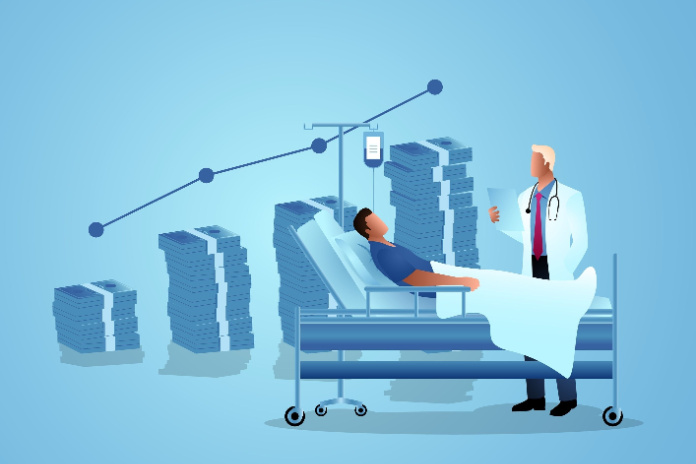

A new surge in healthcare costs is colliding with shrinking insurance coverage — and millions of Americans are feeling the fallout. Behind the headlines is a deeper crisis reshaping hospitals, patients, and the entire medical economy. Here’s what the latest data actually means for your health and your wallet.
How We Reached the Breaking Point
If it feels like getting medical care in America suddenly became harder — and more expensive — you’re not imagining it. New federal data shows that healthcare costs jumped at their fastest pace in more than a decade, outpacing wages, inflation, and even housing. At the same time, insurers are quietly tightening coverage, hospitals are struggling to stay staffed, and patients are delaying treatment at record rates.
It’s a perfect storm: rising premiums, shrinking networks, higher deductibles, and shortages of essential services. But the most important question is the one almost no headline addresses — why now, and what does this shift mean for ordinary Americans who rely on the system every day?
The truth is that the U.S. healthcare economy is undergoing a structural change, and the consequences are bigger than most people realize.
The Flashpoint: What Sparked the Surge
Last week, the Bureau of Labor Statistics released its latest Consumer Price Index report — and healthcare services were one of the biggest surprises. After months of moderate increases, medical-care inflation surged far beyond expectations. Hospital services spiked. Prescription drug prices rose. Insurance premiums climbed sharply.
Meanwhile, several major insurers, including UnitedHealthcare and Cigna, confirmed that they will adjust coverage tiers, restrict certain specialist networks, and raise premiums for 2025 plans. Employers report they are bracing for the largest jump in healthcare benefit costs in more than a decade.
At the same time, hospitals — particularly in rural and lower-income regions — are sounding the alarm. More than 30 hospitals have closed or reduced services this year alone. Staffing shortages continue to push wait times higher, while emergency rooms report record volumes.
In short: demand is rising, supply is shrinking, and the price of care is moving up fast.
The Fallout: How This Shift Is Hitting Americans
For millions of Americans, this shift isn’t just a line on an economic report — it’s already affecting daily life.
Families Are Paying More for Less
The average deductible for employer-based insurance is up more than 50% over the past decade, but this year’s increases are landing harder. Even families with “good insurance” are finding that surprise bills, out-of-network fees, and copay hikes are becoming the norm.
In many states, people who seek specialist care are discovering that the doctor they’ve seen for years is suddenly out of network — not because the doctor changed anything, but because the insurer reduced its network footprint to control costs.
Hospitals Are Reaching a Breaking Point
Healthcare systems are facing a capacity crunch unlike anything seen since early pandemic years. Staffing shortages mean fewer available beds and longer waits. Elective procedures, which often subsidize hospital operations, are being delayed due to workforce gaps.
Rural hospitals are especially vulnerable. When a community loses its only emergency room or maternity ward, the ripple effects are immediate: slower ambulance times, higher mortality rates, and fewer primary-care options.
In essence, the healthcare map of America is being reshaped — often in ways that hurt communities already on the brink.
Prescription Drug Costs Are Surging Again
Despite new federal efforts to negotiate Medicare drug prices, the market is seeing upward pressure across many brand-name medications. Pharma companies cite rising production costs. Critics point to profit-protection strategies timed ahead of new pricing rules.
Either way, pharmacies are reporting more cases where patients walk away without filling their prescriptions because the out-of-pocket cost is simply too high.
The Economic Fallout Hits Everyone
When healthcare costs rise faster than wages, families cut spending elsewhere. Employers delay hiring or shift workers to high-deductible plans. State budgets get stretched as Medicaid rolls grow. And investors are increasingly concerned about margin pressure on hospital operators and insurance carriers.
In other words, the healthcare crisis doesn’t stay in the healthcare sector — it shapes the entire economy.
What’s Coming Next: The Road Ahead
Analysts say the U.S. healthcare system is entering a new era — one defined by scarcity, consolidation, and tougher choices for both patients and providers.
Experts predict:
More consolidation:
Large health systems will continue acquiring smaller hospitals and clinics, potentially improving efficiency but reducing local control and competition.
Higher premiums into 2025:
Insurers say medical claims are rising faster than expected. Most Americans should brace for another round of premium increases next year.
Continued workforce shortages:
Nursing shortages may worsen before they improve, increasing the likelihood of service cuts, closures, or rationing of care.
Policy intervention is coming — but slowly:
Congress is under pressure to address hospital closures, drug pricing, and insurance regulation. But meaningful reform will take years, not months.
Some analysts warn that without structural change, America could soon face a two-tiered medical system: robust access for those who can afford concierge or high-end coverage, and increasingly limited access for everyone else.
What Readers Should Watch Now
The U.S. healthcare system is shifting under our feet. Costs are climbing. Coverage is shrinking. Providers are strained. And millions of Americans are caught in the middle.
Over the next six to twelve months, pay close attention to open enrollment changes, hospital service reductions in your area, and prescription pricing trends. Ask employers how benefits will shift in 2025. And most importantly, budget for the possibility that out-of-pocket expenses may rise faster than expected.
Healthcare touches every part of life — and the changes unfolding right now could redefine access and affordability for years to come.